Answers to Common Photography Questions: Your Guide to Better Photos
- lia photography
- Feb 2
- 4 min read

Photography is a wonderful way to capture moments, tell stories, and express creativity. But if you’re just starting out or looking to improve your skills, you probably have a lot of questions. I’ve gathered some of the most common photography questions and answered them in a clear, friendly way. Whether you want to take better portraits, understand your camera settings, or learn about composition, this guide will help you feel more confident behind the lens.
Let’s dive in and explore practical tips and easy explanations that anyone can follow.
Your Most Common Photography Questions Answered
When I first started photography, I was overwhelmed by all the technical terms and gear options. You might feel the same. Here are some straightforward answers to questions I often hear:
What camera should I buy?
If you’re a beginner, don’t rush to buy the most expensive camera. Start with something simple like a mirrorless or DSLR with manual mode. Brands like Canon, Nikon, and Sony offer great entry-level models. Focus on learning the basics first—aperture, shutter speed, and ISO—before upgrading your gear.
How do I take sharp photos?
Sharpness depends on steady hands, proper focus, and the right shutter speed. Use a tripod if possible, especially in low light. A good rule is to keep your shutter speed faster than the focal length of your lens (e.g., 1/50s for a 50mm lens). Also, make sure your autofocus is set correctly or try manual focus for more control.
What is the best lighting for portraits?
Soft, natural light is usually best for portraits. Try shooting near a window or outdoors on a cloudy day. Avoid harsh midday sun that creates strong shadows. If you use artificial light, diffuse it with softboxes or umbrellas to get flattering results.
How do I compose a great photo?
Composition is about arranging elements in your frame to create balance and interest. Use the rule of thirds by placing your subject off-centre. Look for leading lines, patterns, and framing to guide the viewer’s eye. Don’t be afraid to experiment and break the rules once you understand them.
Can I take professional photos with a smartphone?
Absolutely! Modern smartphones have powerful cameras and editing apps. Focus on good lighting, steady shots, and composition. Use apps like Lightroom Mobile to enhance your images. For professional results, consider investing in clip-on lenses or portable lighting.

What are the 5 C's of photography?
Understanding the 5 C’s can really improve your photography skills. They are Camera, Composition, Colour, Contrast, and Creativity. Here’s a quick breakdown:
Camera - Know your equipment well. Learn how to adjust settings like aperture, shutter speed, and ISO to control exposure and depth of field.
Composition - Arrange your shot thoughtfully. Use techniques like the rule of thirds, symmetry, and framing to make your photos visually appealing.
Colour - Pay attention to colour harmony and contrast. Colours can set the mood and draw attention to your subject.
Contrast - This is about the difference between light and dark areas. Good contrast adds depth and drama to your images.
Creativity - Don’t just copy others. Experiment with angles, lighting, and subjects to develop your unique style.
By focusing on these five elements, you’ll create photos that stand out and tell a story.
How to Choose the Right Lens for Your Photography
Choosing the right lens can be confusing, but it’s one of the most important decisions you’ll make. Here’s a simple guide:
Prime lenses (fixed focal length) like 50mm or 85mm are great for portraits and low light. They usually offer sharper images and wider apertures.
Zoom lenses give you flexibility to change focal length without moving. A 24-70mm zoom is versatile for many situations.
Wide-angle lenses (below 35mm) are perfect for landscapes and architecture.
Telephoto lenses (above 70mm) help you capture distant subjects like wildlife or sports.
Think about what you want to shoot most often and pick a lens that suits that style. Renting lenses before buying can also help you decide.
Tips for Editing Your Photos Like a Pro
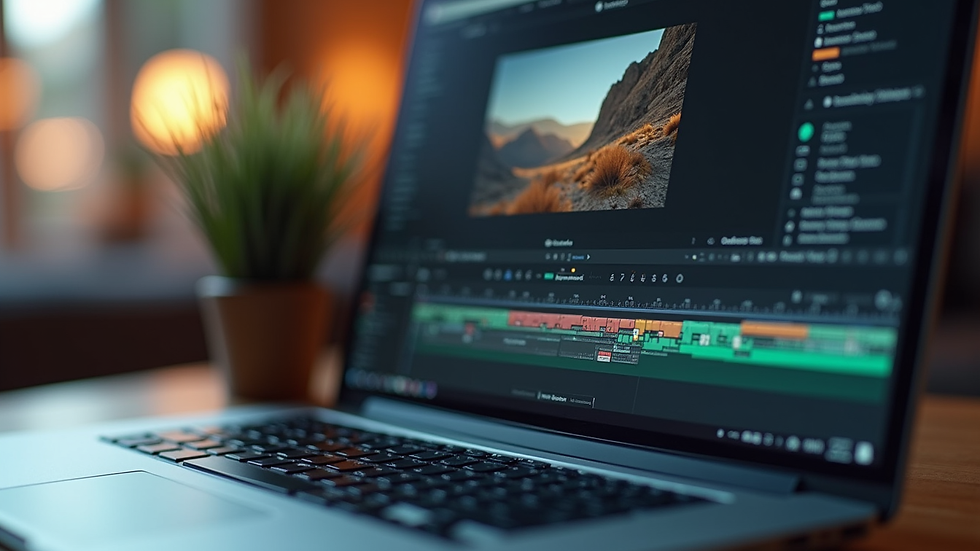
Editing is where your photos really come to life. Here are some easy tips to get started:
Crop and straighten your image to improve composition.
Adjust exposure and contrast to make your photo pop.
Use white balance to correct colour tones.
Enhance details with sharpening but avoid overdoing it.
Try subtle vignettes to draw attention to your subject.
Apps like Adobe Lightroom and Photoshop are popular, but there are also free options like Snapseed and GIMP. Remember, editing should enhance your photo, not completely change it.
How to Prepare for a Successful Photo Session
Whether you’re shooting a family portrait or a business headshot, preparation is key. Here’s what I recommend:
Plan your location and time - Choose a spot with good natural light and minimal distractions. Early morning or late afternoon offers soft, flattering light.
Communicate with your subject - Explain what to expect and encourage them to relax. Comfortable clients make better photos.
Bring the right gear - Extra batteries, memory cards, reflectors, and lenses can save the day.
Scout the location - Arrive early to find the best spots and angles.
Have a shot list - Know the key shots you want to capture but stay flexible for spontaneous moments.
By preparing well, you’ll create a smooth, enjoyable experience that results in beautiful images.
If you want to explore more detailed answers and tips, check out this helpful resource on photography faqs.
Photography is a journey, and every photo you take is a step forward. Keep practising, stay curious, and enjoy capturing the world around you. With these answers to common questions, you’re well on your way to creating stunning images that tell your unique story.


Comments